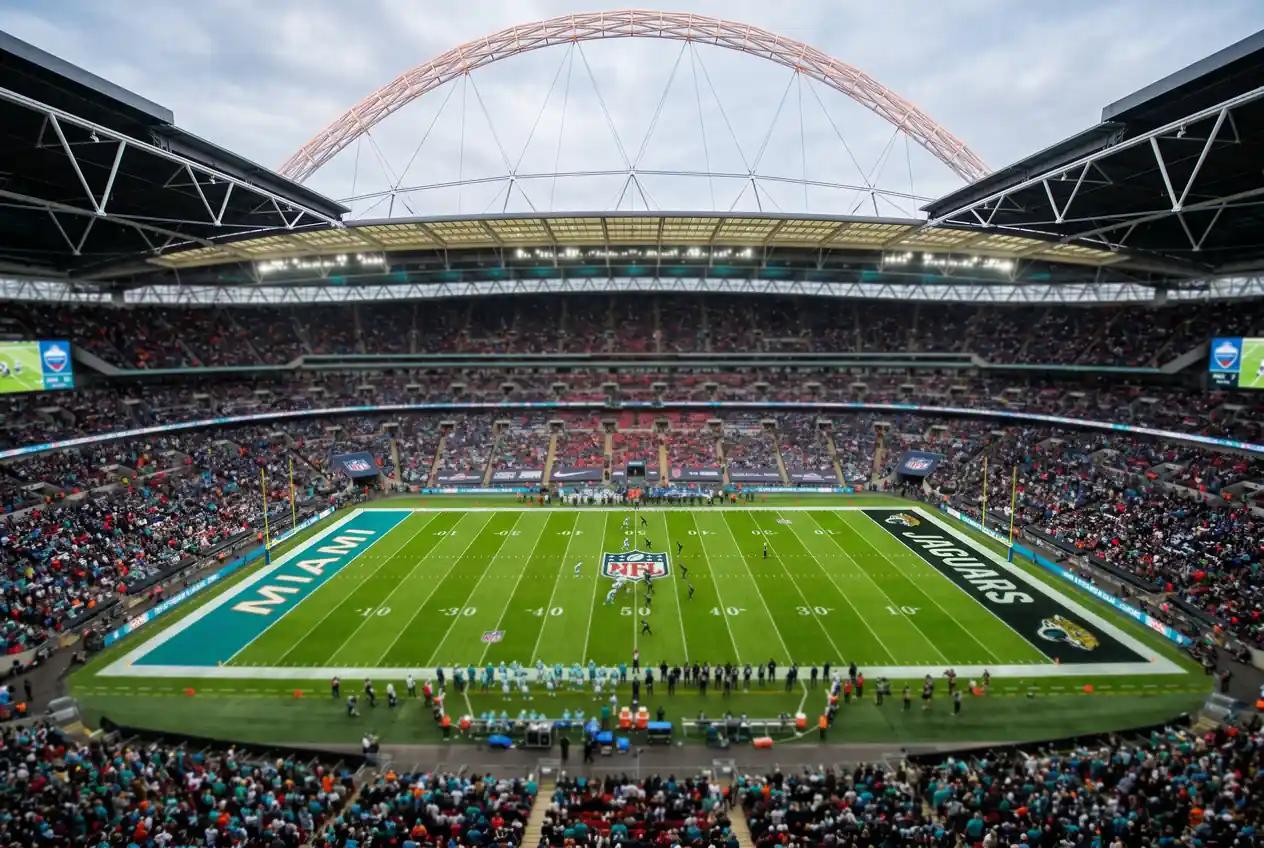
UK NFL Betting Odds: Fractional and Decimal Formats
 Available in US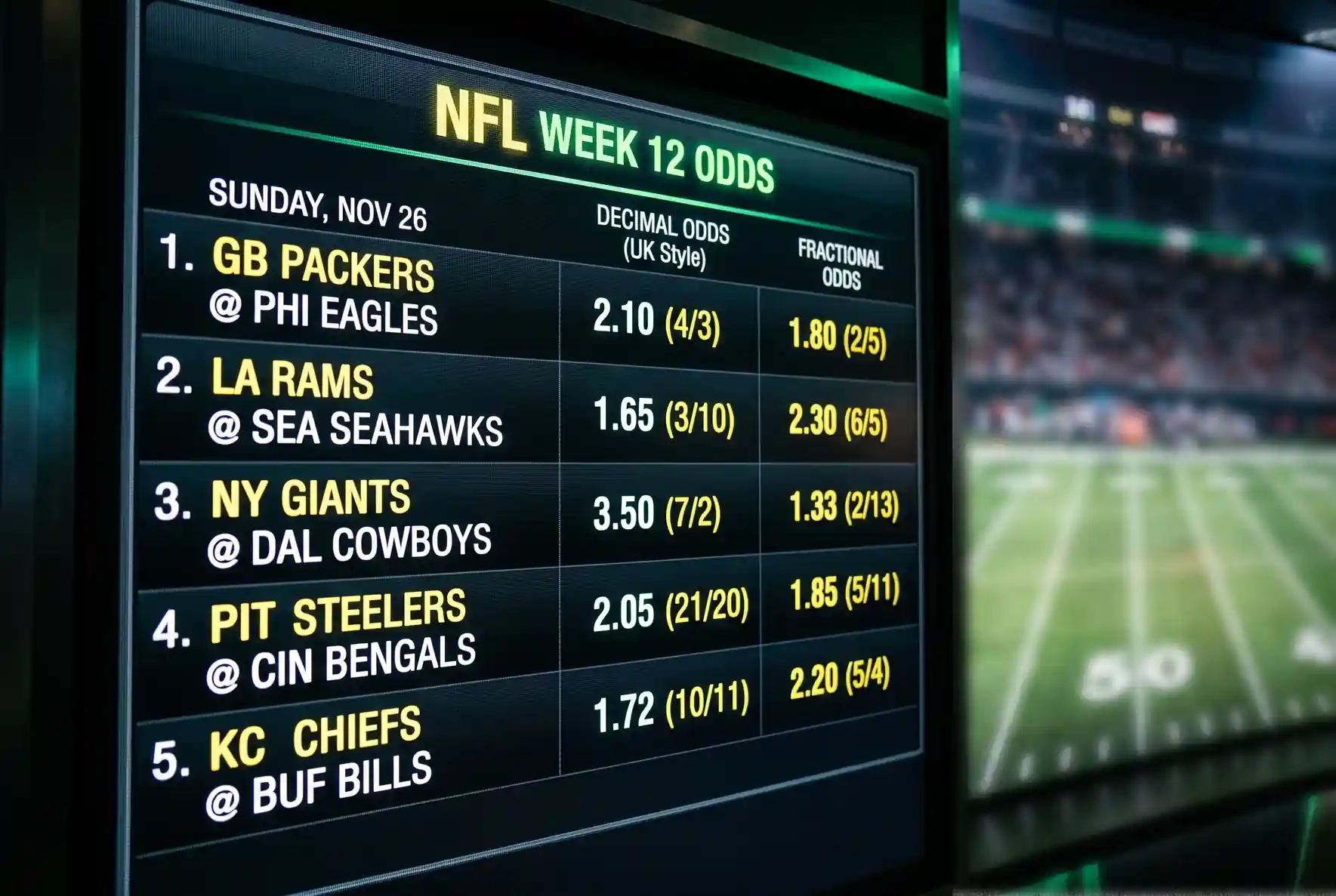
The first time I opened a UK betting platform to wager on an NFL game, I spent a good ten minutes staring at something like “Kansas City Chiefs -6.5 (1.91)” wondering what any of it actually meant. That was nine years ago. Since then, reading NFL lines has become second nature – but I’ve watched enough newcomers freeze at the same moment to know the format genuinely isn’t intuitive, especially if your betting background is Premier League football. The pricing structure is different, the markets work differently, and UK bookmakers add their own layer of presentation on top. This guide cuts through all of it.
Decimal vs Fractional Formats on UK NFL Books
Walk onto a British high street and fractional odds are everywhere – 5/1, 11/4, 10/11. That tradition carries through to online platforms, but the NFL is largely a decimal-odds sport for UK punters. Most bookmakers default to decimals for American football, and for once, that actually makes things easier.
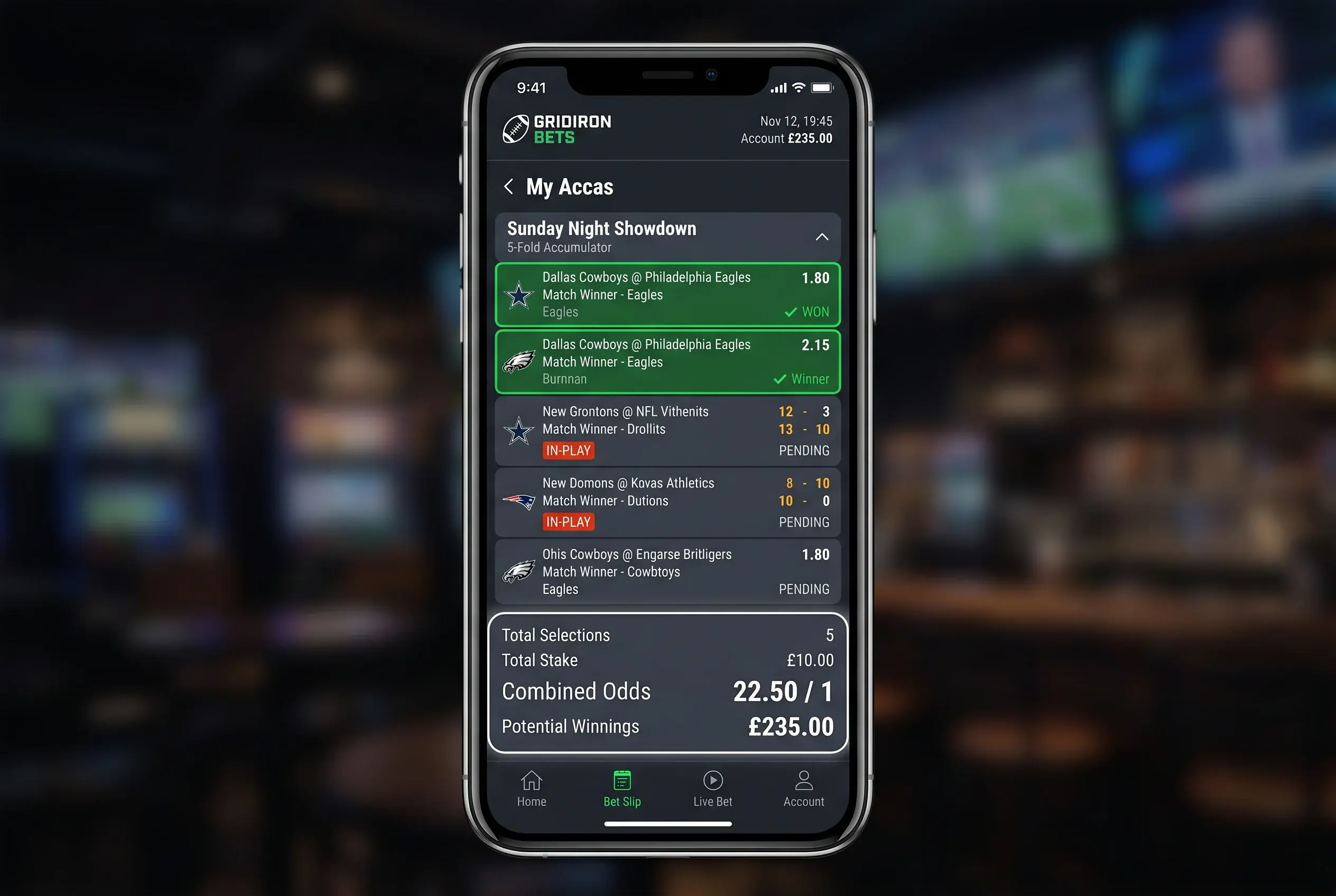
With decimal odds, the number shown already includes your stake. So odds of 1.91 on a moneyline bet mean you get back £1.91 for every £1 wagered – £0.91 profit plus your original £1 returned. Compare that to fractional odds of 10/11, which require you to calculate profit separately (£10 returned for every £11 staked, plus your £11 back). For markets with tight margins like NFL spreads, decimals are simply cleaner to work with.
A small number of UK bookmakers still offer fractional by default, and most let you toggle between formats in your account settings. If you’re coming from US sports betting content, you’ll also encounter American odds (moneyline notation like -110 or +150). UK platforms rarely display these natively, but understanding them matters because a lot of NFL betting analysis is written in American format. I’ll return to that shortly.
The practical advice: set your preferred account to decimal display and learn to work with it. For NFL specifically, the markets are priced to fractional precision behind the scenes, but decimal presentation removes ambiguity and makes quick mental maths far simpler – which matters when you’re trying to compare odds across three platforms before a game kicks off at 1:00am.
How to Read an NFL Betting Line: Point Spread, Total and Moneyline Together
A full NFL betting line is actually three separate markets presented together – and most newcomers conflate them into one confusing block of numbers. Separate them out and each one is straightforward.
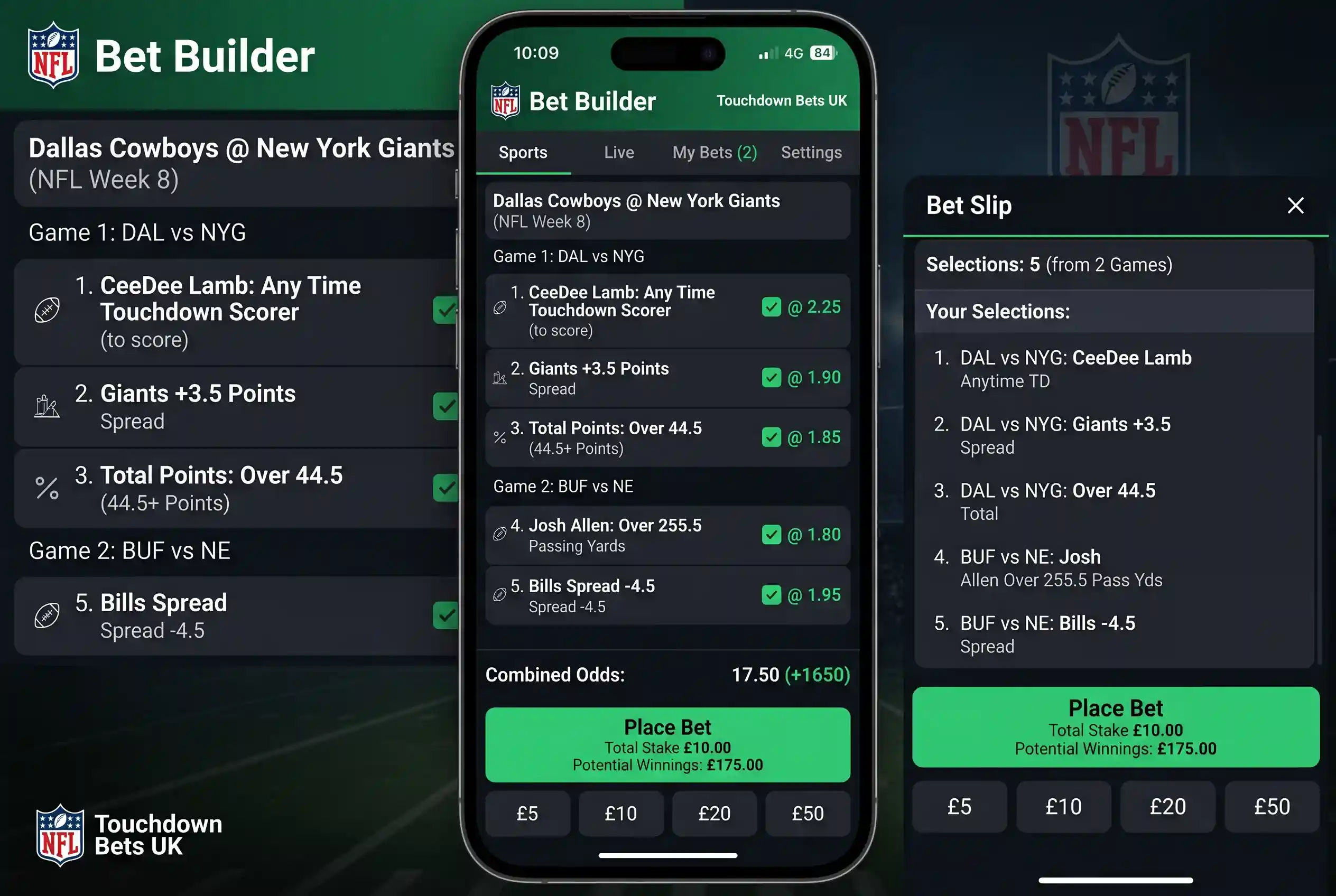
Take a hypothetical line: “New England Patriots +7.5 (1.87) | Total: 43.5 (over 1.87 / under 1.91) | Moneyline: Patriots 3.40 / Opponent 1.33”. That single line contains all three core markets.
The point spread (or handicap) is the “+7.5” – New England are 7.5-point underdogs. To win a spread bet on the Patriots, they don’t need to win the game; they just need to lose by fewer than 7.5 points or win outright. A cover is a cover regardless of who wins. The number in brackets (1.87) is the price – just under evens, which is standard for a roughly 50/50 spread market. The bookmaker’s margin – the “juice” or “vig” – sits in the gap between the two sides. When both sides price at 1.91 or 10/11, the combined implied probability exceeds 100%, and that excess is the bookmaker’s edge.
The total (over/under) is the bookmaker’s projected combined score. Betting “over 43.5” means you need both teams to score 44 or more points combined. The half-point eliminates pushes – if the total lands exactly on a round number, bets would be refunded without the half. That’s intentional pricing by the oddsmaker.
The moneyline is the outright winner market – no spread, just pick the team. The 3.40 on the Patriots means you’d get £3.40 back per £1 staked if they win (a £2.40 profit). The 1.33 on the favourite means you stake £3 to win £1. Heavily skewed moneyline prices exist because NFL favourites win straight up very often – the industry reported that favourites won outright roughly 71-72% of regular-season games during the 2024 season.
Converting NFL Odds to Implied Probability
This is where odds become genuinely useful rather than just descriptive. Implied probability is what the bookmaker’s price says about the likelihood of an outcome – and comparing that against your own assessment is the entire foundation of finding value.
The conversion formula for decimal odds is simple: divide 1 by the odds. Odds of 1.91 give an implied probability of 1/1.91 = 0.524, or 52.4%. Odds of 2.10 give 1/2.10 = 47.6%. When you add up all the implied probabilities on both sides of a two-outcome market, they’ll total more than 100% – that excess is the overround, the bookmaker’s built-in margin.
A standard NFL spread market at 1.91/1.91 on both sides has an overround of about 4.7% – low by comparison to some sports. That’s reasonably competitive, and it’s one reason experienced punters find NFL spread betting worthwhile. Some bookmakers offer enhanced prices or best-odds guarantees on selected NFL games, bringing individual prices up to 1.95 or occasionally 2.00 – and tracking those differences matters more than most recreational bettors realise.
The practical application: before placing any NFL bet, convert the odds to implied probability. Then ask yourself honestly whether you believe the true probability is higher. If you think the Patriots have a 35% chance of covering a spread that’s priced at 52.4% implied probability, the bet has negative value regardless of who you like. If you genuinely think their cover probability is 58%, you have a positive-expectation wager. Most recreational betting ignores this entirely – which is precisely why the industry consistently extracts margin from casual punters.
Why NFL Lines Move and What That Tells UK Bettors
One thing I always check before placing an NFL bet is where the line opened and where it is now. A spread that opened at -3.5 and has drifted to -6 is telling you something important – and it’s not always what casual punters assume.
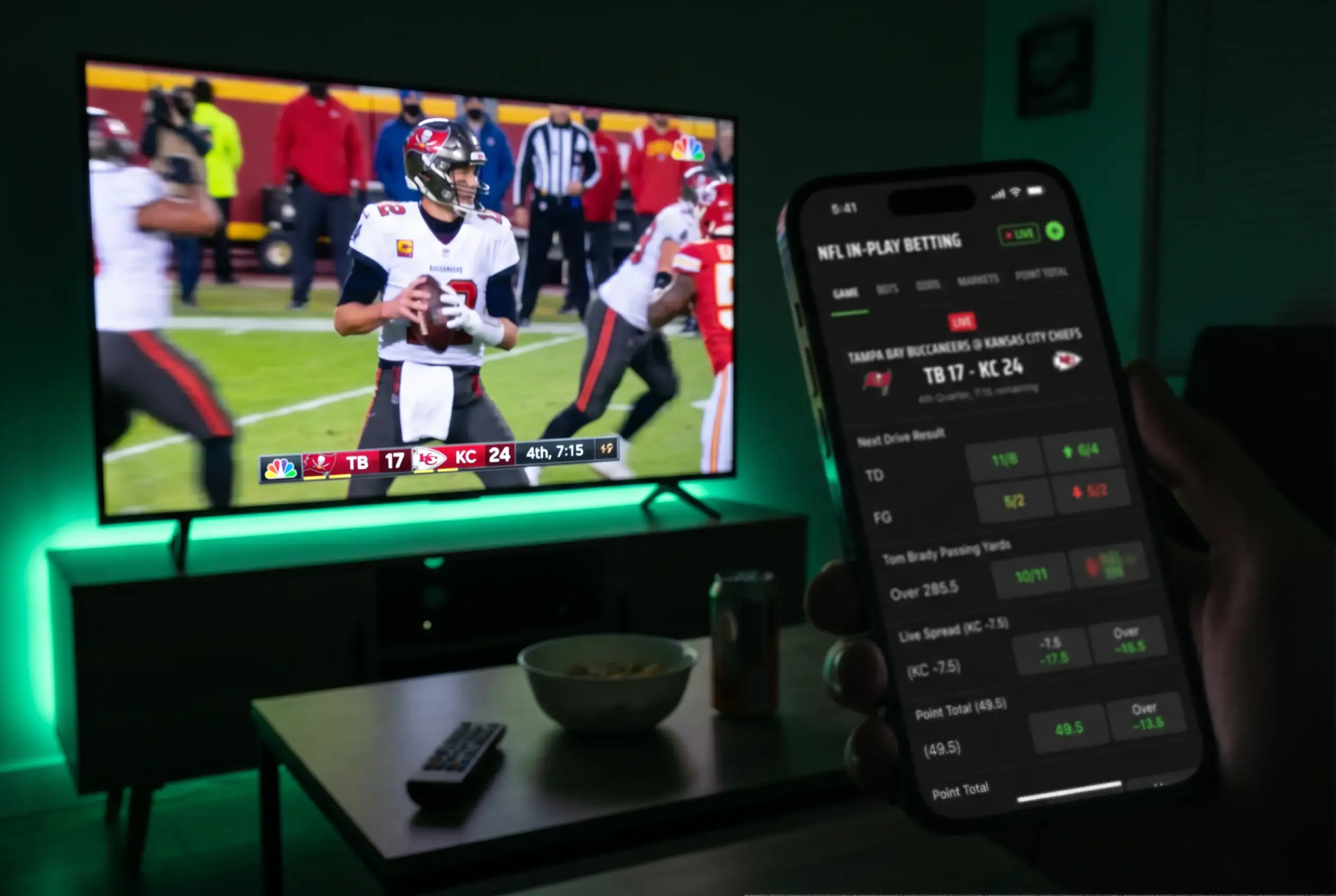
Lines move for two reasons. The first is sharp money: sophisticated bettors (or syndicates) placing large wagers on one side, which forces the bookmaker to adjust to rebalance exposure. The second is public money: heavy recreational betting on a popular team, particularly sides involving the likes of Kansas City or Dallas. UK bookmakers follow US wholesale markets closely – given that live or in-play betting now accounts for well over 60% of the online sports betting market by volume, odds engines are recalculating continuously rather than just adjusting pre-game lines in isolation.
A line moving away from you after you’ve placed is generally fine – it means the market has validated your position. A line you’re thinking of betting that has moved significantly toward the side you want is a warning sign: you may be getting worse value than was available earlier, and sharp money has already priced in information you might not have.
For UK punters specifically, the practical implication is timing. NFL games typically kick off between 6:00pm and 1:30am UK time. Odds on the main Sunday slate open during the week and see their heaviest movement on Saturday evening and early Sunday as US sharp-market activity flows through. If you’re betting before that window, you’re operating in thinner, more erratic pricing. After the window – closer to kickoff – the market is more settled but the best prices on your preferred side may already be gone.
If you want to understand the mechanics of all the core NFL bet types including how spreads, totals and props each behave differently under line movement, that’s the natural next step from here.
Frequently Asked Questions
Why do UK bookmakers show NFL odds differently to US sportsbooks?
US sportsbooks use American odds format (-110, +150), while UK bookmakers default to decimal or fractional display. The underlying pricing is identical – it’s purely a presentation difference. Most UK platforms let you toggle formats in your account settings if you prefer to work in American odds after reading US-based analysis.
What does -110 mean on an NFL line at a UK bookmaker?
American odds of -110 mean you must stake £110 to win £100 profit (receiving £210 back total). Converted to decimal, that’s approximately 1.91. This is the standard price on both sides of a point spread market – the gap between the two sides (both priced at -110 rather than even money at -100) is the bookmaker’s margin, also called the vig or juice.
How do I calculate my potential return from NFL odds in the UK?
With decimal odds, multiply your stake by the odds. A £20 bet at 1.91 returns £38.20 in total (£20 x 1.91), meaning £18.20 profit. For fractional odds like 10/11, calculate profit as (stake x numerator) / denominator: (£20 x 10) / 11 = £18.18 profit, then add your stake back for total return of £38.18. Decimal is simpler for multi-market comparisons.
Written by the editors at nfl Games Betting.